


Good Molecules Discoloration Correcting Serum vs Topicals Faded: Which One Is Better for Dark Spots?

Updated: 18 hours ago
Uneven skin tone is one of the most common skincare concerns, yet it can also be one of the most difficult to treat. Dark spots, acne marks, and patches of discoloration often linger long after the original breakout or irritation has healed. Many people try countless products hoping to fade these spots, only to feel discouraged when results take longer than expected. Understanding what causes discoloration in the first place can make it much easier to choose the right treatment.
Skin discoloration typically happens when the skin produces excess melanin, the pigment responsible for giving skin its color. When the skin experiences inflammation or damage, melanocytes can become overactive and leave behind darker areas.
Several factors can trigger this process, including:
• acne and breakouts
• sun exposure
• hormonal changes
• skin irritation
• picking or touching blemishes
• inflammation from certain skincare products
This type of discoloration is known as post-inflammatory hyperpigmentation, and it can appear as brown, red, or purple marks depending on skin tone.
The good news is that certain skincare ingredients can help gradually fade these spots by slowing excess pigment production and supporting skin renewal.
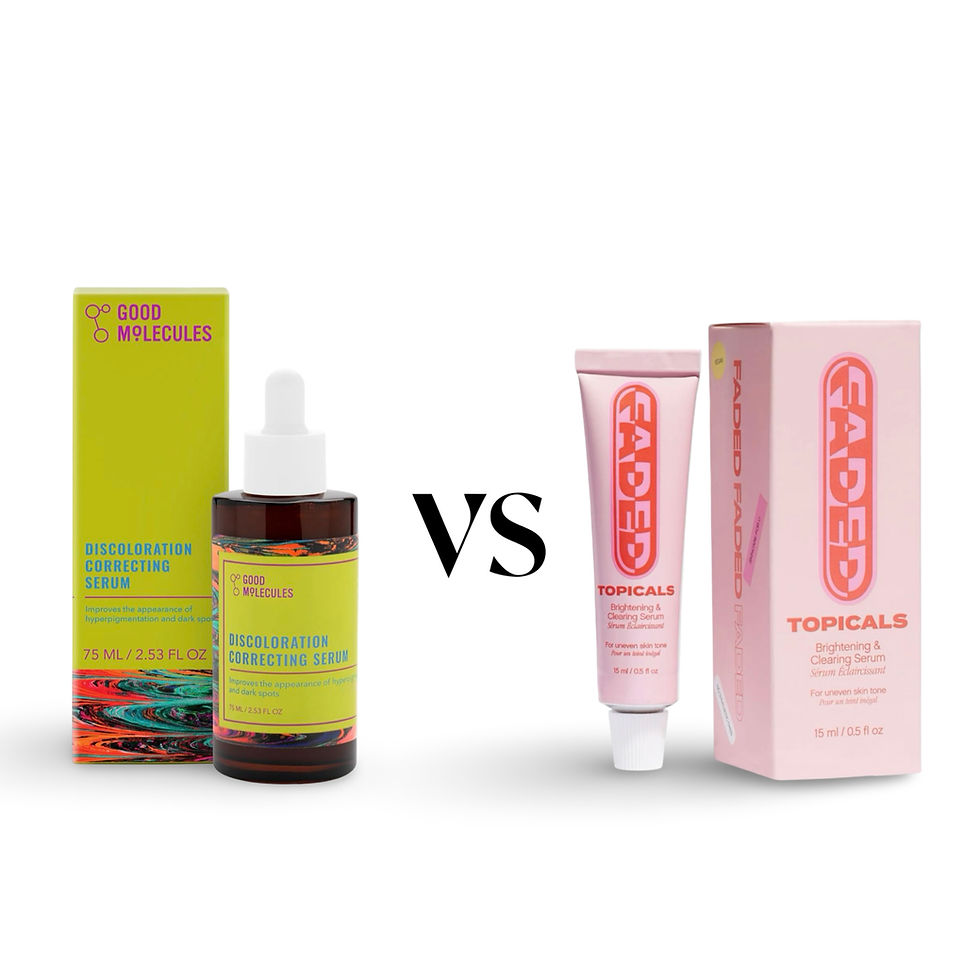
Two products that have gained a strong following for addressing this concern are Good Molecules Discoloration Correcting Serum and Topicals Faded Brightening & Clearing Serum.
Both are designed to target stubborn discoloration, but their formulas, strength, and overall experience are quite different.
If you are deciding between them, this guide breaks down how each serum works, who it may be best for, and how to use them effectively for clearer, more even-looking skin.
Related Read: The first step to a successful skincare plan is understanding what goes where, I formulated this guide to get you started with ease: The Correct Order to Apply Skincare Products (Morning vs Night Routine Explained)
ADVERTISEMENT:
What to Look for in a Serum for Discoloration
Before comparing these two products, it helps to understand what ingredients are most effective for fading dark spots.
Several ingredients are widely used in dermatology and skincare for improving uneven tone.
Tranexamic Acid
Tranexamic acid helps reduce excess melanin production and is often used to treat hyperpigmentation and melasma.
Niacinamide
Niacinamide, also known as vitamin B3, helps brighten skin, reduce inflammation, and improve overall tone.
Azelaic Acid
Azelaic acid helps reduce redness, treat acne, and fade discoloration by slowing pigment production.
Kojic Acid
Kojic acid is known for its ability to lighten dark spots and brighten dull skin.
Both of the serums in this comparison rely on some of these ingredients, but they use them in slightly different ways.
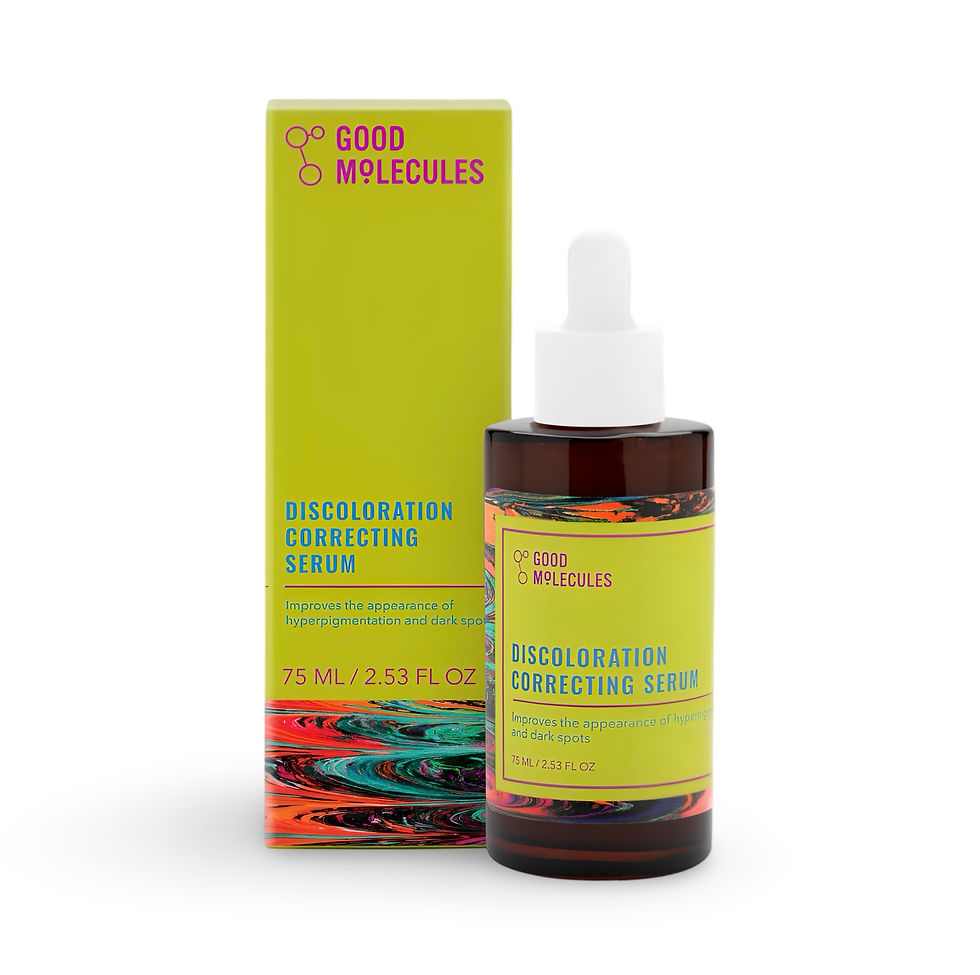
Good Molecules Discoloration Correcting Serum has become a favorite among skincare enthusiasts looking for an affordable treatment for uneven tone.
The formula focuses on two primary ingredients:
• Tranexamic acid to target hyperpigmentation
• Niacinamide to improve brightness and skin clarity
Texture and Application
This serum has a lightweight, almost watery texture that absorbs quickly into the skin. Because it layers easily, many people use it both morning and night as part of their routine.
Why Many People Love It
One reason this serum has gained so much popularity is its simplicity.
Instead of packing many strong actives into one formula, it focuses on a few ingredients that work well for most skin types.
Benefits include:
• gentle formula suitable for daily use
• lightweight texture that works well under moisturizer or sunscreen
• affordable price compared to many dark spot treatments
• beginner-friendly for those new to brightening ingredients
This makes it a great starting point for people who want to address discoloration without overwhelming their skin.
Related Read: Want the full breakdown of Good Molecules Serum? Checkout my complete review here: Good Molecules Discoloration Serum: Does It Really Work?

Topicals Faded Brightening & Clearing Serum is often considered the stronger option between the two.
Instead of relying on just one or two actives, it combines several brightening ingredients designed to target stubborn hyperpigmentation.
Key ingredients include:
• tranexamic acid
• niacinamide
• azelaic acid
• kojic acid
• licorice root extract
Texture and Application
Faded has a thicker, cream-gel consistency. Because the formula contains multiple active ingredients, some people prefer using it once per day rather than twice.
Why It Has a Cult Following
The multi-ingredient approach is designed to address discoloration from several angles at once.
Many users reach for this serum when dealing with:
• stubborn acne scars
• long-standing hyperpigmentation
• uneven tone from repeated breakouts
However, because the formula is stronger, some people with sensitive skin may experience mild irritation when they first begin using it.
ADVERTISEMENT:
Good Molecules vs Topicals Faded: Key Differences
Feature | Good Molecules Discoloration Serum | Topicals Faded Serum |
Formula style | Minimal, focused ingredients | Multi-ingredient treatment |
Strength | Gentle and beginner friendly | Stronger active blend |
Texture | Lightweight serum | Cream-gel |
Skin types | All skin types, including sensitive | Best for acne-prone or resilient skin |
Price | Budget friendly | Mid-range |
Which Serum Should You Choose?
The best option often depends on your skin type and how stubborn your discoloration is.
Good Molecules may be better if you:
• have sensitive skin
• prefer a simple routine
• want an affordable daily serum
• are just beginning to treat hyperpigmentation
Topicals Faded may be better if you:
• have persistent acne scars
• want a more intensive treatment
• tolerate active ingredients well
• prefer a multi-ingredient formula
Some skincare enthusiasts even start with gentler formulas like Good Molecules and move to stronger treatments later if needed.
Tips for Treating Discoloration Successfully
Regardless of which serum you choose, a few habits make a significant difference in how quickly dark spots fade.
Wear Sunscreen Every Day
Sun exposure can make hyperpigmentation darker and slow the fading process.
Using sunscreen consistently helps protect the progress your skincare products are making.
Be Consistent
Most brightening ingredients take time to show results. Improvements usually appear gradually over several weeks.
Avoid Picking or Irritating the Skin
Picking blemishes or over-exfoliating can trigger new dark spots, undoing progress.
Support Skin Repair
Using a gentle cleanser, moisturizer, and sunscreen alongside your treatment serum can help maintain a healthy skin barrier.
Related Read: Want a wider perspective on the top formulas for hyperpigmentation? Read my guide: The 5 Best Discoloration Serums for Dark Spots and Hyperpigmentation (2026 Comparison Guide)
The Bright Side
Discoloration can feel stubborn, but it is often very treatable with the right ingredients and consistency. Both Good Molecules Discoloration Correcting Serum and Topicals Faded Brightening & Clearing Serum offer effective approaches to improving uneven skin tone.
Good Molecules stands out as a gentle, affordable option for daily use, while Topicals Faded offers a stronger blend of ingredients for more persistent hyperpigmentation. Choosing the right one ultimately depends on your skin type, sensitivity level, and how intensive of a treatment you are looking for.
With patience, consistency, and sun protection, many people begin to notice brighter, more even-looking skin over time.
Read This Next:
Top 5 Sunscreens for Hyperpigmentation and Dark Spots (2026 Guide)
Best Korean Sunscreens for Glowing, Protected Skin (2026 Guide for Every Skin Type)
Purging vs Breakouts: How to Tell If Your Skincare Is Working or Making Things Worse
Affordable Men’s Skincare That Actually Works: The Best Drugstore Routine for Clear Skin
The Beauty Reset: A Simple Guide to Looking and Feeling Like Yourself Again
For those building a more intentional skincare routine, I've also featured other brands worth exploring. You can browse them below and see what aligns with your skin goals:







Affiliate Disclosure: This post contains affiliate links. Purchases may earn a commission at no extra cost to you.



I can see why connecting values with everyday school life would invite discussion, since different people will bring different experiences to the same question. Kindness becomes easier to understand when it appears in ordinary classroom situations. It makes me curious about the practical side of values based education. I can imagine different answers depending on the situation, so I would want to understand the context before drawing conclusions. How can a school discuss values while leaving room for students' questions?
The subject of creating a welcoming preschool environment feels more interesting when there is room for a reader to stop and ask their own questions. A predictable daily rhythm can make an unfamiliar classroom feel more comfortable. I would use that point as a starting question when considering welcoming preschool environment. I am still thinking through the details, and a small example would help me picture how this works in practice. Which small classroom details help a new child settle in?
My first thought about making room for neighbourhood learning activities is that the everyday experience deserves as much attention as the larger explanation. A familiar local meeting place can make trying a new activity feel more approachable. For me, that is a useful way into the broader subject of community learning activities. A short discussion of an everyday example would make this easier for me to connect with, especially as someone still learning about the subject. What would encourage someone to join a class for the first time?
What draws my attention to understanding biometric identity and privacy is the possibility of making an unfamiliar subject feel closer to everyday life. Convenience deserves to be considered alongside how identifying information is collected and stored. That is the kind of detail I would keep in mind while exploring biometric data privacy. I can imagine different answers depending on the situation, so I would want to understand the context before drawing conclusions. What questions should a beginner ask before trusting a biometric system?
Współczesne technologie informatyczne rozwijają się bardzo szybko, dlatego materiały edukacyjne powinny koncentrować się nie tylko na konkretnych narzędziach, ale także na podstawowych zasadach działania systemów. Artykuły o programowaniu, sieciach, bazach danych, bezpieczeństwie oraz chmurze mogą tworzyć solidną bazę wiedzy. Szczególnie wartościowe są poradniki zawierające praktyczne przykłady, dzięki którym czytelnik może samodzielnie przetestować omawiane rozwiązania.